
"regional coffee decline"
2000 article(s) found

High-quality coffee Guatemala coffee treatment method washing
The extra-hard coffee beans here are full-grained, delicious and balanced, and the coffee made with them is pure and rich. Guatemala coffee once enjoyed a reputation as the best quality coffee in the world, but its quality also declined for a time. What is gratifying, however, is that its reputation is gradually being restored. In 1750, Father Jesuit introduced coffee trees to Guatemala, at the end of the 19th century.

High-quality coffee Guatemala coffee treatment method washing
The extra-hard coffee beans here are full-grained, delicious and balanced, and the coffee made with them is pure and rich. Guatemala coffee once enjoyed a reputation as the best quality coffee in the world, but its quality also declined for a time. What is gratifying, however, is that its reputation is gradually being restored. In 1750, Father Jesuit introduced coffee trees to Guatemala, at the end of the 19th century.
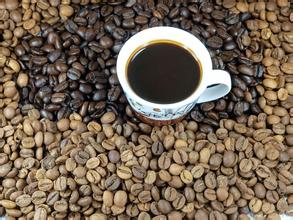
Characteristics of Guatemalan coffee beans Fine Coffee from Guatemala
The extra-hard coffee beans here are full-grained, delicious and balanced, and the coffee made with them is pure and rich. Guatemala coffee once enjoyed a reputation as the best quality coffee in the world, but its quality also declined for a time. What is gratifying, however, is that its reputation is gradually being restored. In 1750, Father Jesuit introduced coffee trees to Guatemala, at the end of the 19th century.
Introduction to the treatment methods of the main manor producing areas of lemon tree Nicaraguan coffee
In the country, coffee production will be seriously affected for political reasons. Nicaraguan coffee industry is no exception. The 1979 revolution forced coffee planters to flee to Miami. A period of indecision followed, when the government considered whether to redistribute land (including many plantations), which led to a shortage of coffee and a decline in production, up from 100 in the early 1970s.
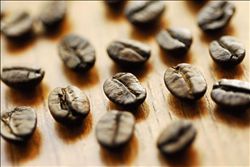
High-quality coffee Guatemala coffee bean treatment method washing
The extra-hard coffee beans here are full-grained, delicious and balanced, and the coffee made with them is pure and rich. Guatemala coffee once enjoyed a reputation as the best quality coffee in the world, but its quality also declined for a time. What is gratifying, however, is that its reputation is gradually being restored. In 1750, Father Jesuit introduced coffee trees to Guatemala, at the end of the 19th century.

Why expensive Kenyan coffee this
The surge in popularity of African beans has helped revive the industry. An African legend claims that coffee beans were discovered by a goat shepherd named Kaldi wandering Ethiopia's Kafa region around 850 AD. True or not, African coffee beans once dominated the world market, before production declined sharply over the past 30 years due to increased global competition. but Peng
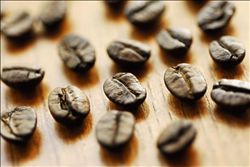
Boutique coffee Guatemala coffee flavor nuts, dark chocolate, cut tobacco
The extra-hard coffee beans here are full-grained, delicious and balanced, and the coffee made with them is pure and rich. Guatemala coffee once enjoyed a reputation as the best quality coffee in the world, but its quality also declined for a time. What is gratifying, however, is that its reputation is gradually being restored. In 1750, Father Jesuit introduced coffee trees to Guatemala, at the end of the 19th century.

Introduction to the flavor and taste characteristics of Ethiopian coffee manor with soft acidity
There are mainly mountain plateaus in Ethiopia, and the central and western regions are the main part of the plateau, accounting for 2% of the whole territory. The East African Rift Valley runs through the whole territory, with an average elevation of nearly 3000 meters, which is known as the roof of Africa. The terrain around the plateau is gradually declining. The Darol depression in the north fell to 113 meters below sea level, the lowest point in the country. A narrow banded plain along the coast of the Red Sea

Taste characteristics of Jamaican Coffee producing area Fine Coffee beans introduce Jamaican Coffee Brand
In 1670, according to the Madrid Treaty, Spain formally ceded Jamaica and other places to Britain. The British immediately used the island of Jamaica as a base for their acts of piracy. Before the earthquake destroyed the port of Loire in 1692, it was once the capital of pirates in the Caribbean. Since then, the British built Kingston and gradually built it into the central city of Jamaica. Jamaica Bamboo Forest

Boutique coffee Guatemalan coffee bean characteristics Guatemalan coffee bean flavor
The extra-hard coffee beans here are full-grained, delicious and balanced, and the coffee made with them is pure and rich. Guatemala coffee once enjoyed a reputation as the best quality coffee in the world, but its quality also declined for a time. What is gratifying, however, is that its reputation is gradually being restored. In 1750, Father Jesuit introduced coffee trees to Guatemala, at the end of the 19th century.

History of the Origin and Development of Brazilian Coffee the Future trend of Flavor and Taste in Brazilian Coffee Bean producing areas
The origin of Brazilian coffee several historians agree that the arrival of coffee from the Old World to Martinique and the Antilles originated in 1714 when Mathieu de Clieu, the captain of the French army, got it from the first branch seeds brought by small American plantations. The story tells us that the captain is keeping a coffee branch stolen from Louis XIV Garden.
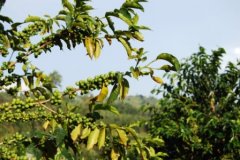
Ethiopia emphasizes fruity and floral boutique coffee
In fact, according to Ms. Knudsen, people started drinking fine coffee, but later, due to the growing demand for coffee, the discovery and use of new coffee varieties led to the decline of coffee quality. later, people even began to dislike this bad coffee and began to turn to other drinks. In this case, Ms. Knudsen's re-recognition

Introduction to the flavor and taste characteristics of coffee from San Pedro Manor, Puerto Rico, with complete flavor and no bitterness
Puerto Rico has a history of producing coffee for nearly 300 years and was once one of the most productive regions in the world. According to the Starbucks website, Spanish explorers brought coffee from Louis XIV plantations in France to the island in 1736. The fame of Yaucono Selecto was once indistinguishable from that of Kona in Hawaii and the Blue Mountains in Jamaica. It was also the palace of European kings and Vandi.

Brazilian coffee production area time processing method Introduction Brazilian coffee bean flavor aroma characteristics Taste description
Coffee farming is highly dependent on climate and geography, which is why it is important to distinguish between regions. Zairo said that for coffee to grow, the higher the better. At the same time, the temperature should be between 15 and 25 degrees Celsius, and the flowering period should have sufficient rainfall to ensure the normal growth of flowers and fruits. Brazilian Coffee Industry Cooperation Organization spokesman Paul Elias had previously

Puerto Rico Coffee Manor Flavor taste introduction Puerto Rico Larez Coffee
Puerto Rico has a history of producing coffee for nearly 300 years and was once one of the most productive regions in the world. According to the Starbucks website, Spanish explorers brought coffee from Louis XIV plantations in France to the island in 1736. The fame of Yaucono Selecto was once indistinguishable from that of Kona in Hawaii and the Blue Mountains in Jamaica. It was also the palace of European kings and Vandi.

Boutique coffee Guatemala coffee manor Guatemalan coffee producing area coffee beans
The extra-hard coffee beans here are full-grained, delicious and balanced, and the coffee made with them is pure and rich. Guatemala coffee once enjoyed a reputation as the best quality coffee in the world, but its quality also declined for a time. What is gratifying, however, is that its reputation is gradually being restored. In 1750, Father Jesuit introduced coffee trees to Guatemala, at the end of the 19th century.

Introduction of Coffee planting Environment in Kenya Coffee Manor is introduced in the production area of Berman Manor
When coffee first arrived, Kenya was under British rule, and coffee cultivation was promoted to earn foreign exchange. In 1963, when Kenya became independent, the status of coffee did not decline, but was consolidated and was an important component of Kenya's trade income. Kenya Coffee growing area Kenya's coffee producing areas are mainly concentrated in Mount Kenya (Mt. The plateau region represented by Kenya). Tropical gas
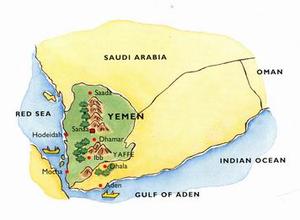
Details of coffee producing areas: the development status of coffee industry in Yemen
First, the history of Yemeni coffee (1) the origin of mocha coffee is in Yemen, the origin of mocha coffee is very wide, these coffees have their own characteristics and differences from quality to taste, but because these coffees have been shipped and exported from the port of Mocha in Yemen to markets around the world, they are collectively called mocha coffee. The port of Mocha is located along the Red Sea north of the Mande Strait.

Flavor description of Coffee beans in Sidamotad Manor, Ethiopia
There are mainly mountain plateaus in Ethiopia, and the central and western regions are the main part of the plateau, accounting for 2% of the whole territory. The East African Rift Valley runs through the whole territory, with an average elevation of nearly 3000 meters, which is known as the roof of Africa. The terrain around the plateau is gradually declining. The Darol depression in the north fell to 113 meters below sea level, the lowest point in the country. A narrow banded plain along the coast of the Red Sea

Guatemalan Coffee introduces Kopi Luwak Blue Mountain Coffee the characteristics of Guatemala
The extra-hard coffee beans here are full-grained, delicious and balanced, and the coffee made with them is pure and rich. Guatemala coffee once enjoyed a reputation as the best quality coffee in the world, but its quality also declined for a time. What is gratifying, however, is that its reputation is gradually being restored. In 1750, Father Jesuit introduced coffee trees to Guatemala, at the end of the 19th century.